Program
The Cultural-Educational Society Bratska sloga nurtures tradition through programs that bring generations together — from the Divne women's choir and the Moštra sword dance to summer folklore evenings at the square in Postrana.
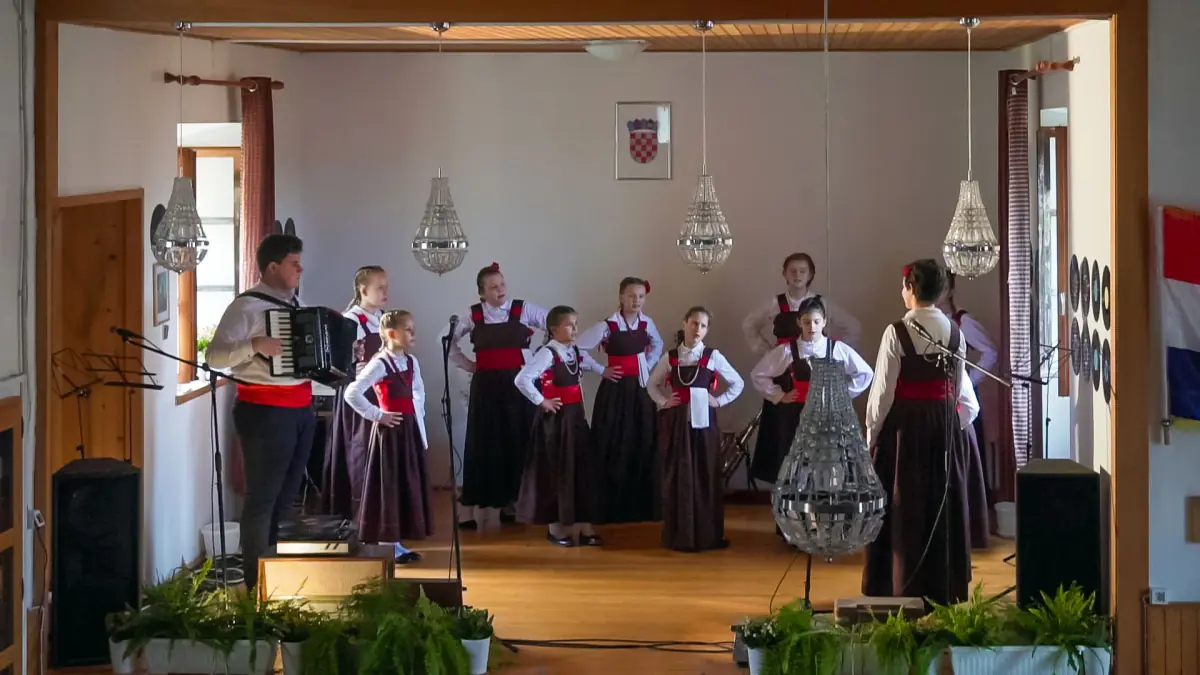
Divne Women's Choir
Founded in 2016, the Divne women's choir brings together girls aged 4 to 14 who perform in traditional Korčula costumes. The choir's repertoire consists of old songs from Žrnovo and Dalmatia, preserving the memory of the musical heritage of this region.
The choir held its first performance in 2016, led by conductor Lucija Skokandić. Divne have become an indispensable part of cultural life in Žrnovo and Postrana.
Learn more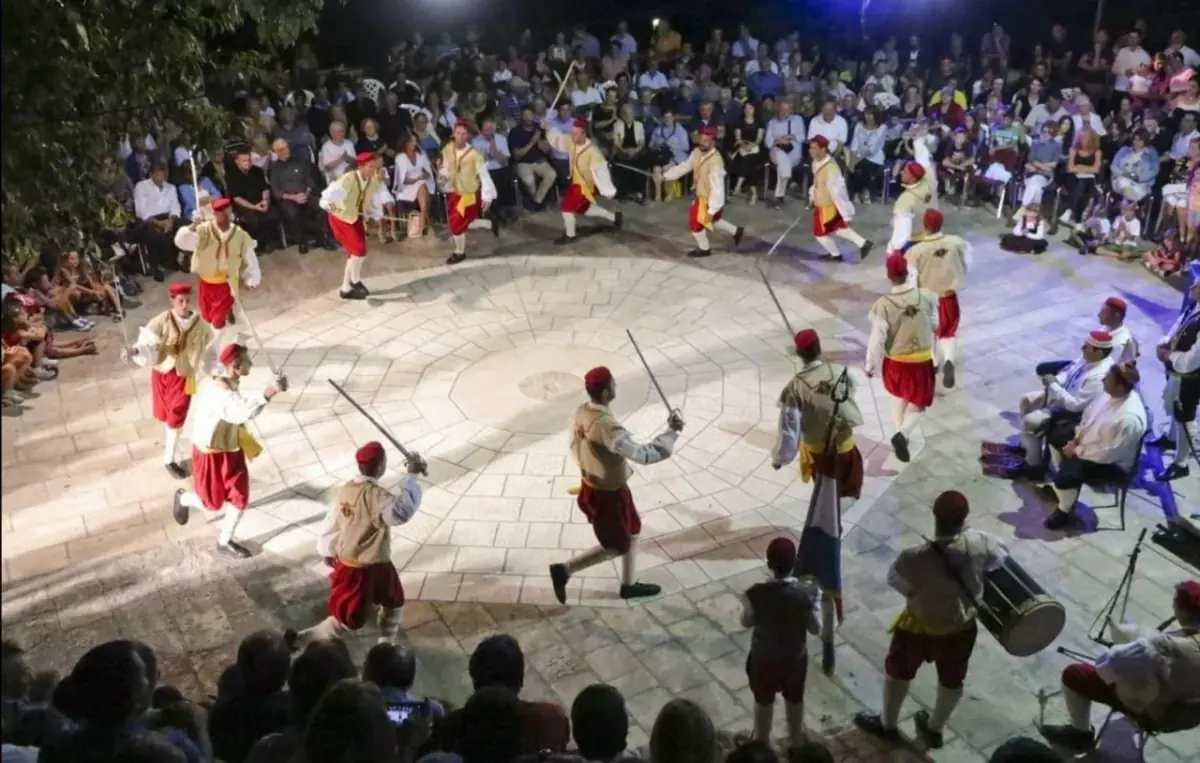
Moštra — knightly sword dance
Moštra is a traditional chain sword dance performed in a circle at the square in front of St. Rok church in Postrana. Moštra is a protected cultural heritage of the Republic of Croatia.
The revival and stage adaptation of Moštra is credited to ethnologist Ivan Ivančan, and the participants are called moštrari. This unique knightly dance is today a recognizable symbol of Žrnovo and Postrana.
Learn more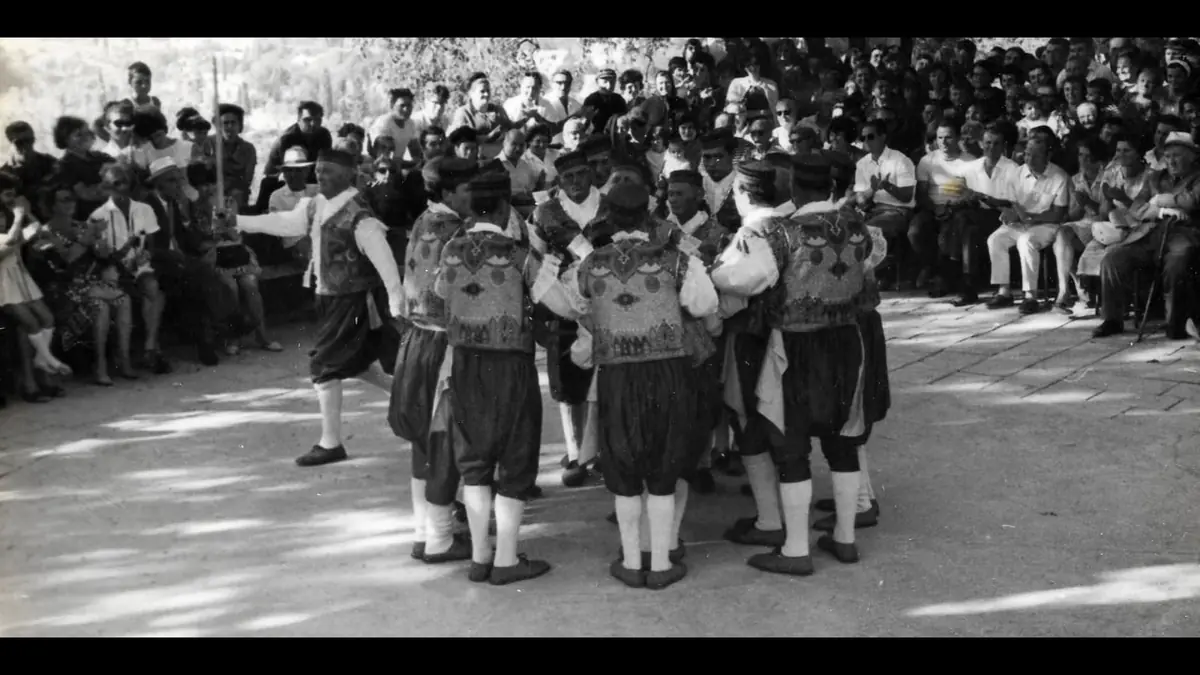
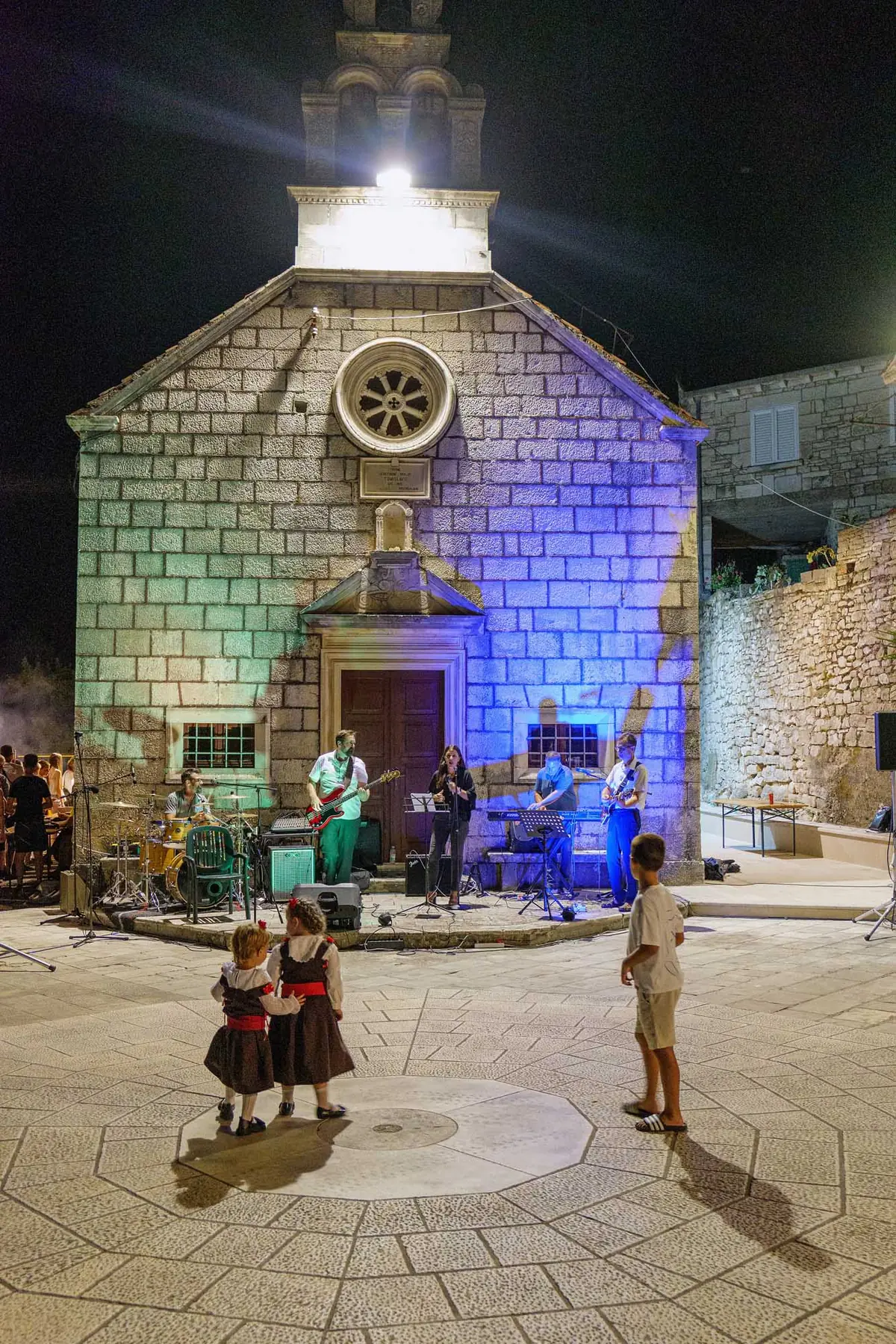
Folklore evenings
Summer evenings at the square in front of St. Rok church in Postrana are the central cultural event of Žrnovo. The program includes performances by the Divne women's choir, the Moštra sword dance and guest folklore groups.
After the folklore part of the program, visitors can enjoy local macaroni pasta with live music. The organizers are KPD Bratska sloga and the Žrnovo-Postrana Local Committee.
View calendar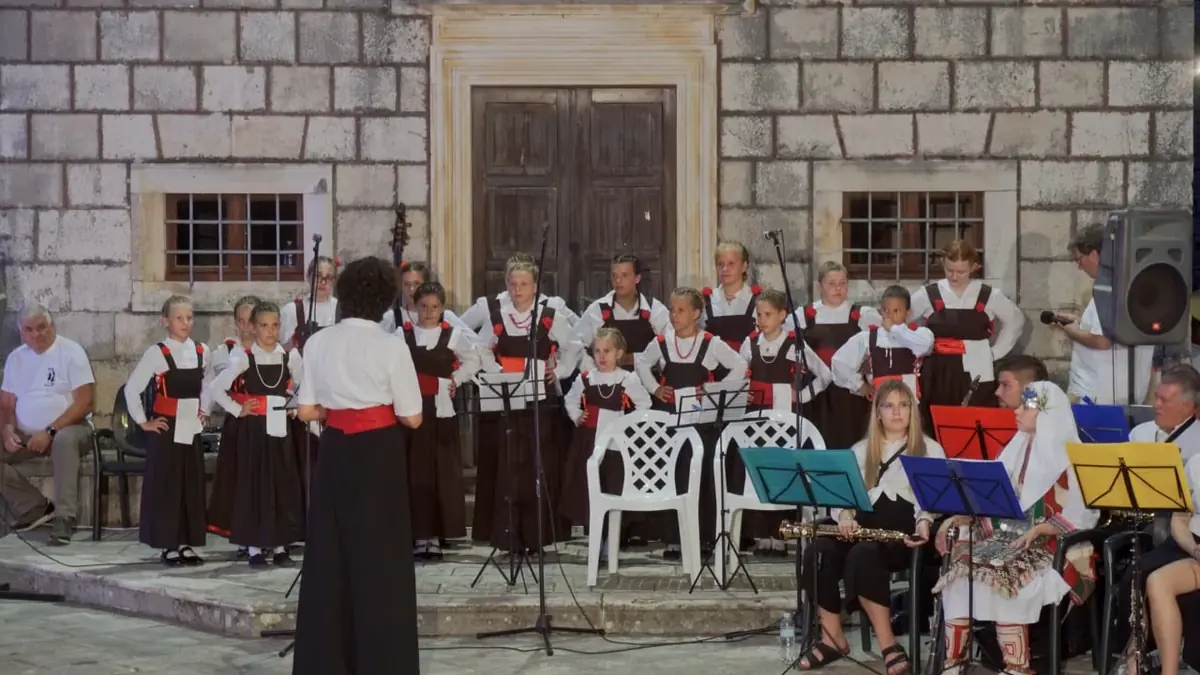
Summer in Postrana 2024 — KUD Metković concert
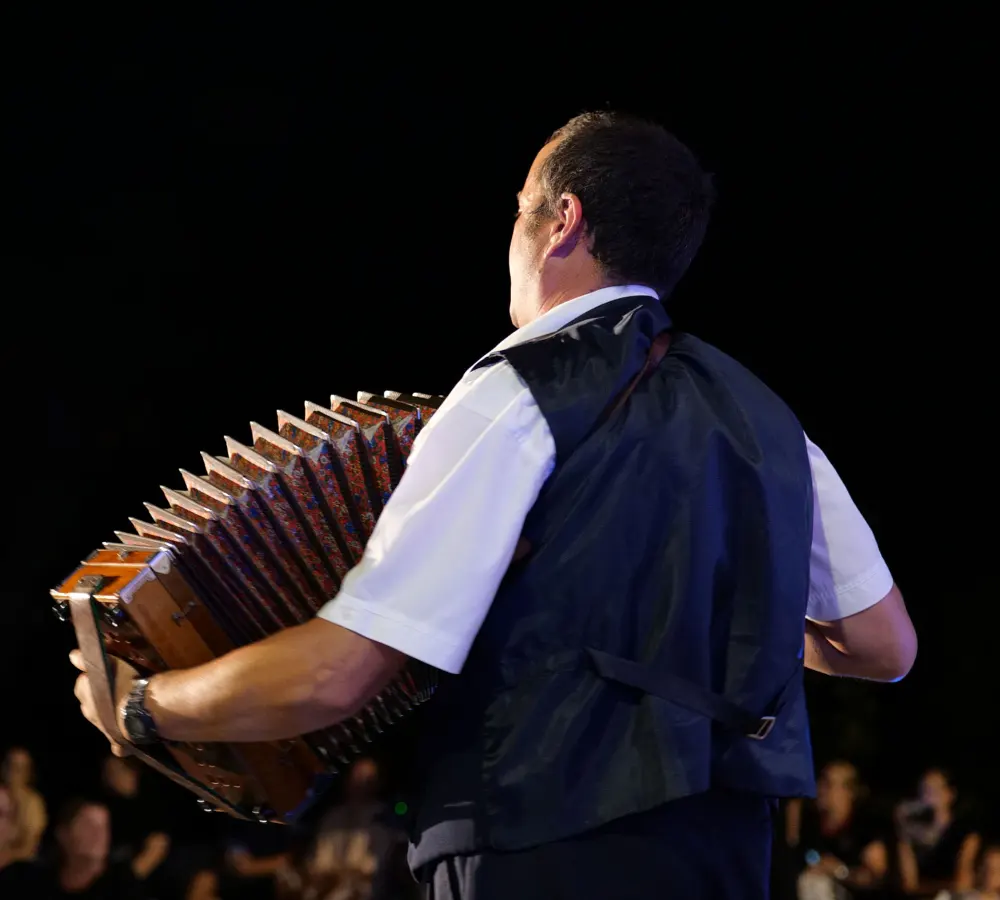
Accordion — playing tradition on Korčula
Plonerica, trieština, butonara
The accordion as we know it today began its development in the first half of the 19th century. The ability to play melody and accompaniment simultaneously, along with its suitability for dance music, soon made it the most popular folk instrument in the Western world. By the mid-second half of that century, the first accordions began arriving on our island, mostly from Trieste, from the musical instrument workshop of the Ploner family. Hence one of the names for this type of accordion — plonerica. It is also called trieština or butonara.
The second type of accordion is the chromatic accordion, which most commonly comes in a version with piano keys. It began appearing on the island in the 1930s. It spread massively after World War II and almost completely replaced the button accordion in this part of the island.
The accordion is undoubtedly part of our tradition. But to maintain it in our musical practice, besides personal effort, community support is also needed. Special attention should be devoted to the plonerica or button accordion so that it can return to more significant use in this part of the island.
Tekst: Vinko Didović
Annual calendar
Our programs
Explore all →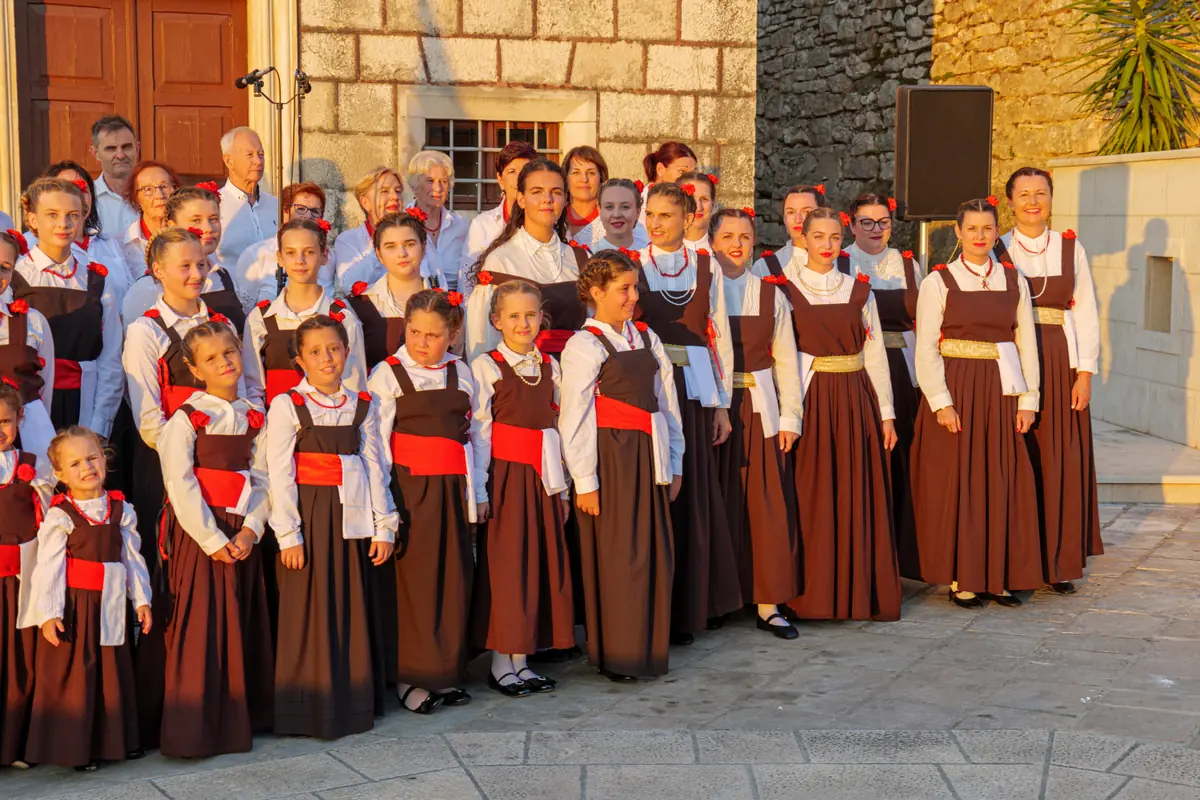
Divne
Divne — women's choir from Žrnovo, founded in 2016.
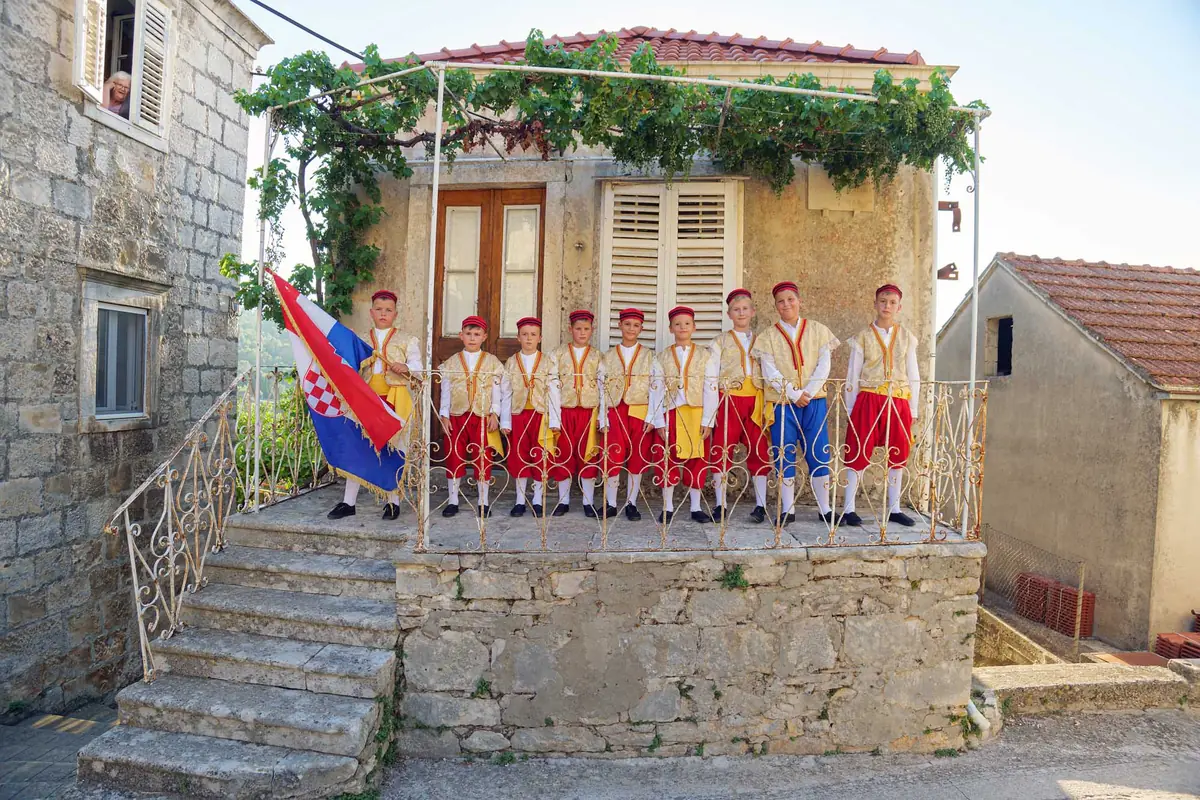
Moštra
Traditional chain sword dance — protected cultural heritage of the Republic of Croatia.
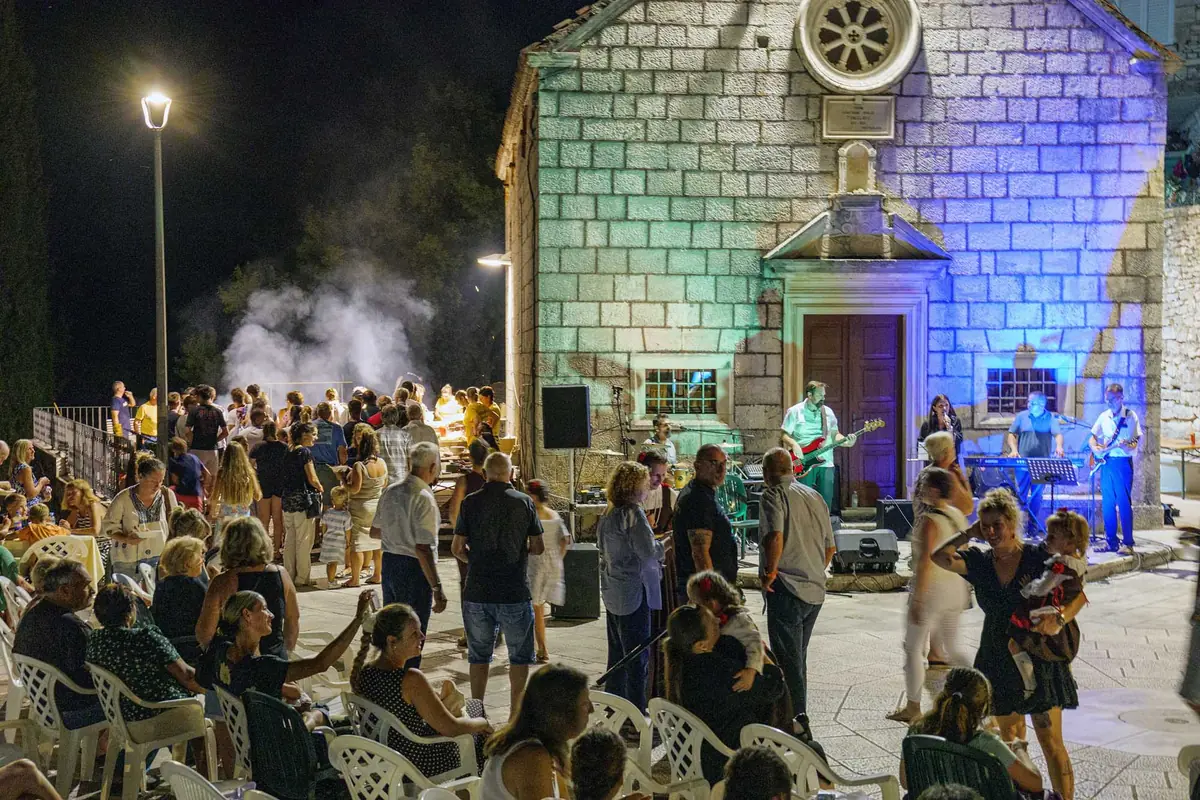
Folklore evenings
Summer evenings at the square in Postrana — performances by Divne, Moštra and guest groups with local macaroni pasta.
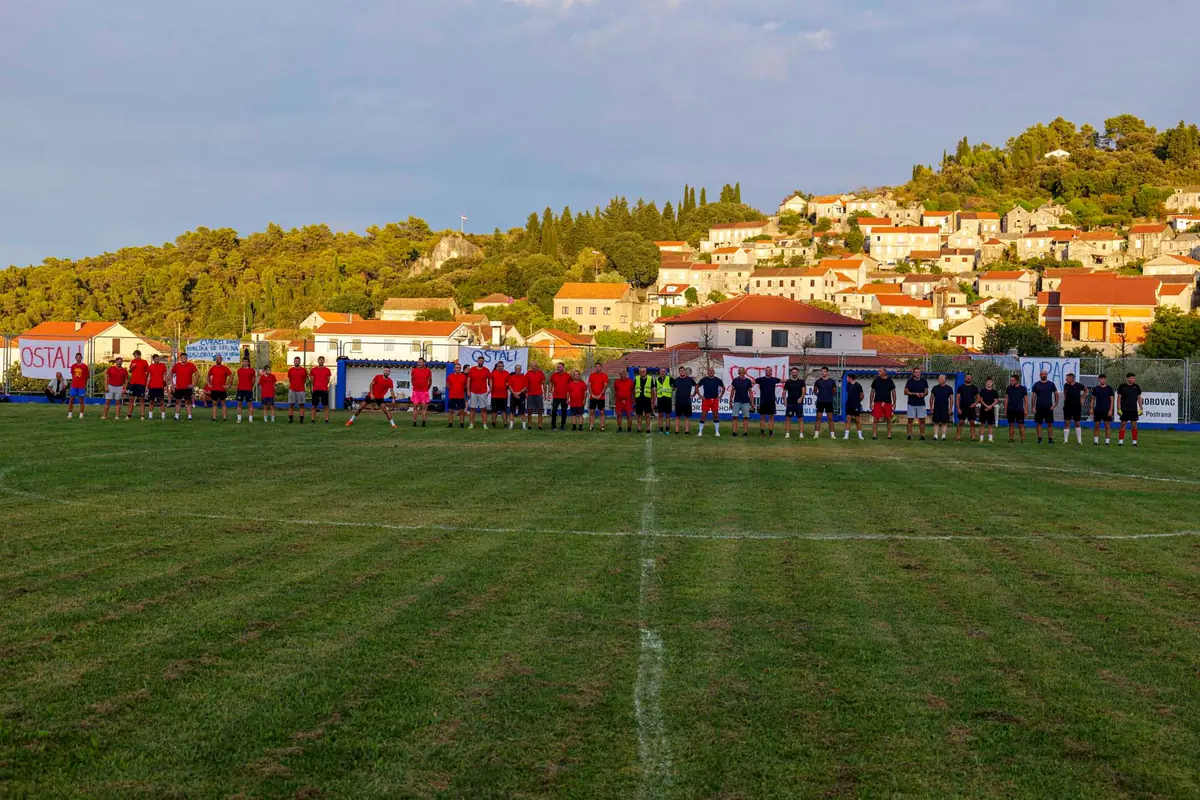
Sports events
Ćuraci, tug-of-war, football and other traditional sports games — fun for the whole family.